

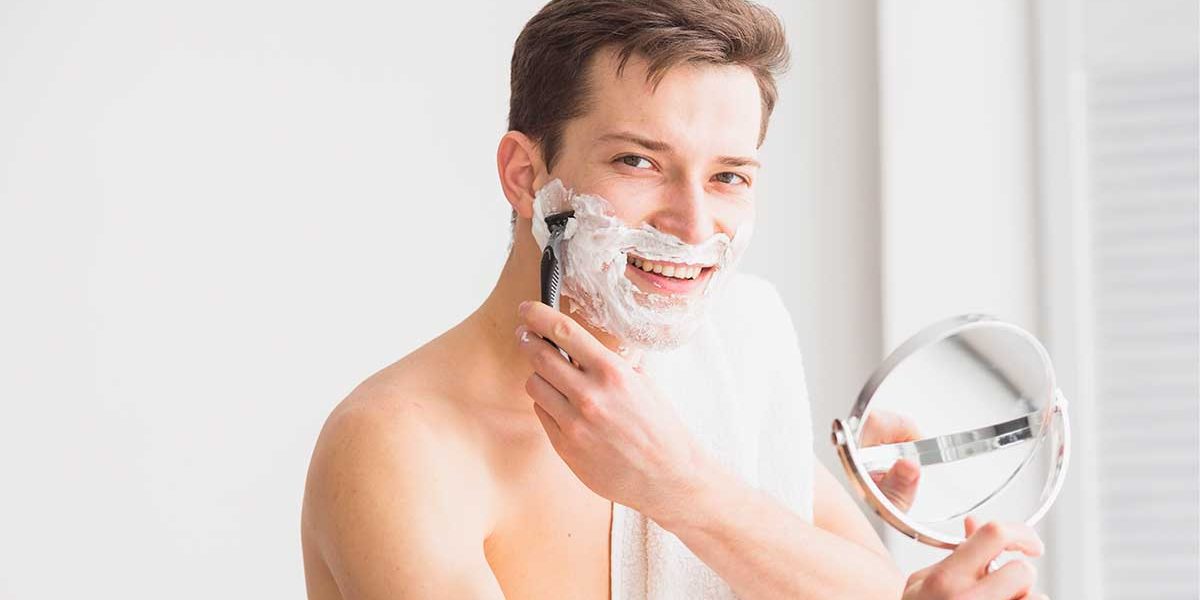
Shaving is one of those routines most of us hardly think twice about, yet it’s one of the most common causes of breakouts and skin irritation. Whether you’re grooming your beard before a big camping trip or freshening up at your RV park, the way you shave can have a lasting impact on how your skin looks and feels. Breakouts after shaving aren’t always because of bad luck or sensitive skin. More often, they’re the result of small, consistent mistakes that most people don’t even realize they’re making. Over time, these mistakes can inflame the skin, block pores, and lead to ingrown hairs that ruin an otherwise clean shave.
Having spent years traveling and living part-time out of an RV, I’ve learned that maintaining good grooming habits on the road is just as important as at home. Shaving may seem like a simple task, but if done incorrectly, it can leave your face feeling raw and uncomfortable, especially in changing climates or dry air. Let’s look at some of the top shaving mistakes that cause breakouts and how to avoid them for good.
Using a Dull Razor Blade
One of the biggest culprits behind post-shave breakouts is a dull blade. Many people assume that as long as the razor still cuts, it’s fine to keep using it. But over time, the sharpness of the blade decreases, and instead of slicing the hairs cleanly, it drags across the skin. This pulling motion irritates the pores and can cause micro-tears in the surface of the skin. These small openings become an easy entry point for bacteria, which can trigger acne-like bumps or inflamed follicles.
It’s tempting to stretch the life of a razor blade, especially when traveling or camping, but it’s never worth the risk. I’ve found that after about five to seven shaves, most blades start to lose their edge. In humid or dusty environments, they might dull even faster. Always replace your blades regularly and rinse them thoroughly after every use. It also helps to store your razor in a dry, ventilated spot rather than leaving it wet in a shower caddy.
Skipping Proper Pre-Shave Preparation
A rushed shave is often a bad shave. Too many people skip essential pre-shave steps, which can make the difference between smooth skin and a breakout-filled disaster. Dry shaving, for instance, strips the skin of its natural moisture and leaves it vulnerable to irritation. Before every shave, take time to soften your facial hair with warm water or a damp towel. Doing this for just a minute or two opens up the pores and allows the hair to stand up slightly, making it easier for the blade to glide through.
Using a good pre-shave cleanser is also a game changer. Dirt, oil, and dead skin cells accumulate on the face throughout the day, especially in outdoor environments like campsites. Without washing them off, they mix with shaving cream and clog the razor blade, causing bacteria to spread. I always make sure to wash my face with a mild cleanser before applying any shaving product. The difference in comfort and smoothness is undeniable.
Using the Wrong Shaving Cream
Not all shaving creams are created equal. Some are packed with artificial fragrances, alcohol, or harsh chemicals that dry out and irritate the skin. The purpose of shaving cream is to create a protective barrier between the blade and your skin while providing lubrication for smoother strokes. If you’re using one that leaves your skin feeling tight or itchy afterward, it’s likely doing more harm than good.
For sensitive or acne-prone skin, it’s better to opt for creams or gels with soothing ingredients like aloe vera, chamomile, or natural oils. These keep your skin hydrated while reducing inflammation. During one of my longer RV trips through dry desert regions, I noticed how quickly my skin became irritated from standard foams. Switching to a moisturizing shave gel made a world of difference. Always lather thoroughly and give the cream about thirty seconds to settle before starting your shave. This gives the product time to soften the hairs and enhance protection.
Shaving Against the Grain Too Early
It’s a common belief that shaving against the grain gives a closer shave, and while that’s true, it can also cause serious irritation if done incorrectly. Going against the direction of hair growth too soon can tug on the hair follicle, leading to inflammation, razor bumps, and ingrown hairs. If you have sensitive skin, this can easily trigger breakouts that take days to heal.
Instead, start your shave by going with the grain in gentle, short strokes. Once you’ve cleared most of the hair and re-lathered, you can go against the grain lightly for a closer finish if needed. I’ve found that patience is key, trying to rush through the process or pressing too hard only causes more redness and discomfort. Using a light hand and maintaining steady pressure helps the blade do its job without damaging your skin.
Neglecting Post-Shave Care
Many people finish shaving and immediately towel off or head straight into their next task. But skipping post-shave care is one of the fastest ways to ruin your skin. After shaving, the skin is vulnerable and slightly inflamed from the friction of the blade. Without proper care, bacteria can easily enter the pores, leading to pimples or razor burn.
Rinse your face with cool water immediately after shaving to close up the pores and remove any leftover shaving cream or residue. Then, apply an alcohol-free aftershave or soothing balm. Alcohol-based products can dry out the skin and cause a stinging sensation that only worsens irritation. I prefer natural aftershaves with ingredients like witch hazel or tea tree oil, which help disinfect without over-drying. Moisturizing after every shave is equally important to maintain your skin’s balance and prevent excessive oil production, which can cause more breakouts.
Shaving Too Often
Daily shaving may seem necessary for a clean look, but it doesn’t give your skin enough time to heal between sessions. Constant scraping with a razor irritates the skin’s surface and can trigger inflammation. The result is often a cycle of redness, bumps, and breakouts that never fully disappear.
Giving your skin a day or two of rest between shaves allows it to recover. On camping trips, I often use these breaks to let my beard grow slightly before reshaping it. This helps me avoid constant irritation and keeps my skin clear. If you do need to shave daily, make sure to use a fresh blade and proper pre- and post-shave care every single time.
Using Too Much Pressure
A lot of people mistakenly think pressing harder with the razor will give them a closer shave. In reality, this only increases the risk of cuts and irritation. Modern razors are designed to work efficiently with minimal pressure. Pushing down too hard forces the blades to scrape away not just hair, but also the top layer of skin cells, leading to redness and inflammation.
I’ve learned that letting the weight of the razor handle do the work yields much better results. Use slow, deliberate strokes instead of rushing. It might take a bit longer, but the comfort and smoothness of the shave make it worthwhile. This small change can drastically reduce post-shave breakouts and make your skin feel calmer.
Ignoring Razor Hygiene
Failing to properly clean your razor after each use can easily turn it into a breeding ground for bacteria. Each pass over your skin collects dead skin cells, hair, and oils that stick to the blades. Without rinsing thoroughly, this buildup creates a perfect environment for bacteria to grow, which you then transfer back onto your face the next time you shave.
After every shave, rinse your razor under warm running water until all residue is gone. Occasionally, dip it in rubbing alcohol to disinfect and help it dry faster. Never leave your razor sitting in water or a damp spot, doing so promotes rust and bacterial growth. I always store mine in a dry, open area or travel case to keep it clean, especially during long RV trips where humidity can be unpredictable.
Neglecting Exfoliation
Exfoliating isn’t just for skincare enthusiasts, it’s an important part of maintaining a clean, bump-free shave. When dead skin cells accumulate, they can trap hairs beneath the surface, leading to painful ingrown hairs and clogged pores. Regular exfoliation removes this buildup and prepares the skin for a smoother shave.
I usually exfoliate two to three times a week using a gentle scrub or a soft washcloth. Doing this before shaving lifts any trapped hairs and prevents them from curling back into the skin. Just avoid over-exfoliating, as this can make your skin more sensitive and prone to irritation. Finding a balance is key to keeping your skin clear and healthy.
Not Hydrating Enough
Hydration plays a bigger role in shaving health than most people realize. Dry skin is more prone to flaking, irritation, and breakouts. If you’re traveling in areas with extreme temperatures, your skin can lose moisture quickly, making shaving uncomfortable. Drinking enough water and using a daily moisturizer keeps the skin supple and reduces friction during shaving.
Before I began paying attention to hydration, I used to wonder why my skin felt tight and itchy even after using high-quality shaving products. Once I started moisturizing daily and staying hydrated, the difference was immediate. A well-hydrated face responds better to shaving and heals faster from any minor nicks or irritation.
Conclusion
Breakouts after shaving can be frustrating, especially when you feel like you’re doing everything right. But as I’ve learned through experience, even small habits can make a big difference in how your skin reacts. Avoiding dull blades, maintaining proper razor hygiene, and taking time for pre- and post-shave care all go a long way in preventing irritation and acne.
On the road or at home, a good shaving routine is about consistency and care. The smoother your technique and the cleaner your tools, the healthier your skin will stay. Treat your shave like part of your self-care ritual, not just a quick task. The results, clear, smooth, and refreshed skin, are worth every bit of effort.
