

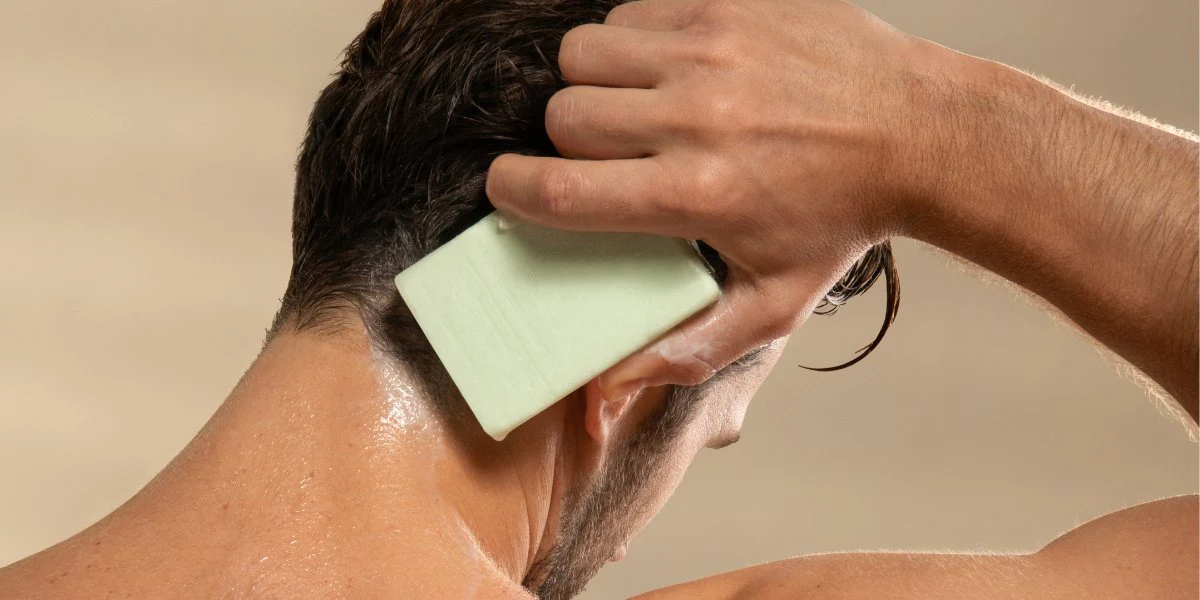
When it comes to styling hair, few debates have lasted as long as the one between hair wax and gel. Both promise control, texture, and shine, yet they behave completely differently once applied. Over the years, I’ve experimented with both, trying to figure out which works best in different weather conditions, hair types, and styles. The difference goes deeper than just texture or finish, it’s rooted in chemistry. The science behind hair wax vs gel explains why one gives you flexibility while the other locks your style into place.
What Makes Hair Gel Work
Hair gel relies on polymers, which are long chains of molecules that form a flexible film when they dry. Most gels are water-based, meaning they dissolve easily when applied and harden as the water evaporates. The key ingredient that gives gel its stiff hold is a substance known as PVP (polyvinylpyrrolidone) or carbomer. These polymers coat each strand of hair and, when dry, form a solid film that locks everything into place.
The science is similar to how glue works. Once the moisture evaporates, the gel stiffens and creates a firm hold that resists movement. This makes it perfect for sleek, defined hairstyles or wet looks that require precision. However, the same mechanism that gives gel its strong hold also limits flexibility. When hair moves, the film cracks, causing flakes or stiffness. That’s why gel often feels hard or crunchy, it literally hardens around the hair shaft.
How Hair Wax Differs on a Molecular Level
Hair wax, on the other hand, is built from oils, waxes, and sometimes natural butters. Instead of polymers, it uses fatty compounds like beeswax, lanolin, and microcrystalline wax. These materials don’t dry out or harden in the same way polymers do. Instead, they coat the hair with a pliable layer that provides hold without stiffness.
From a chemical perspective, wax is hydrophobic, meaning it repels water. This is why styles done with wax tend to hold up better in humid conditions. While gel absorbs moisture and can lose shape in damp environments, wax stays stable. The oil-based composition also helps maintain natural shine, giving a more textured, matte, or semi-gloss look depending on the formula.
What fascinates me about wax is how it moves with your hair. The bonds between molecules are weaker and more flexible than those in gel, allowing hair to bend and shift naturally throughout the day. You can restyle it by simply running your fingers through, which is impossible with gel.
The Role of Water and Evaporation
Water plays a completely different role in these two products. In gel, it’s the primary solvent that dissolves the polymers before they’re applied to hair. Once the water evaporates, the polymers harden, freezing the hair in place. This makes gels ideal for structured hairstyles that shouldn’t move, like spikes or slick-backs.
Wax, being oil-based, contains little to no water. Instead of evaporating, the product stays flexible. This absence of evaporation is what makes wax feel “alive” throughout the day. You can reshape your hair repeatedly without adding more product. The tradeoff is that wax can attract dust or buildup if not washed properly, which requires a stronger shampoo to remove.
How Each Product Affects Hair Health
Gels, especially alcohol-based ones, can dehydrate the hair and scalp over time. Alcohol helps the gel dry faster, but it also strips natural oils. After extended use, this can lead to dryness, itchiness, and even dandruff. Additionally, the polymer film can block air and moisture, suffocating the hair shaft. This is why frequent gel users sometimes experience brittle hair or flaking.
Wax, on the other hand, provides a layer of protection. The oils in it seal moisture inside the hair shaft, preventing dehydration. However, the same coating can also attract dirt and cause buildup if not cleaned regularly. I’ve found that using a clarifying shampoo once a week helps remove residue without stripping natural oils. Wax is generally safer for daily use because it nourishes while styling, though moderation is still key.
Hold and Finish: What Science Says
From a technical perspective, gel offers a stronger hold because of its polymer structure. It forms rigid bonds that resist movement, perfect for hairstyles that require precision. Wax provides medium to firm hold, depending on the formula, but remains flexible. The fatty acids in wax create semi-permanent bonds that can be manipulated without breaking.
In terms of finish, gels usually provide a glossy, wet look since the polymer film reflects light. Waxes can range from matte to shiny, depending on whether they contain natural or synthetic oils. The wax layer diffuses light instead of reflecting it directly, giving hair a more natural appearance.
If you’re after a high-hold, high-shine finish, gel wins. If you prefer a natural, textured look that can be restyled during the day, wax takes the lead.
Reaction to Heat and Humidity
Temperature and humidity drastically affect how these products behave. Gel, being water-soluble, tends to break down in humid environments. Moisture in the air rehydrates the polymer film, making hair lose shape or become sticky. This is especially noticeable in tropical or coastal areas where humidity is constant.
Wax reacts differently. Its hydrophobic nature repels moisture, making it more stable in humid weather. However, in hot temperatures, wax can soften and lose some hold. I’ve noticed that during summer, it’s best to apply a smaller amount and avoid direct sunlight for too long, as heat can make wax melt slightly. Some modern formulas counteract this by blending wax with microcrystalline compounds that raise the melting point.
The Role of Ingredients and Chemistry in Performance
The main difference in ingredients explains why these products perform so differently. Gels rely on synthetic polymers like PVP or acrylates for structure, while waxes depend on organic compounds such as beeswax, lanolin, and natural oils. The molecular composition of these ingredients dictates how they interact with hair fibers.
Polymers bond through ionic and hydrogen interactions that harden upon drying. Waxes adhere through hydrophobic interactions, meaning they stick without forming rigid structures. Oils in wax nourish the hair shaft, while polymers in gel merely coat it. This is why hair feels healthier after using wax compared to prolonged gel use.
Ease of Use and Styling Versatility
When I compare the two from a usability perspective, wax offers more flexibility. You can apply it to dry or slightly damp hair, mold it into shape, and restyle throughout the day. The texture allows for detailed styling, especially for messy or natural looks.
Gel, on the other hand, works best on damp hair and must be left untouched until fully dry. Once set, it can’t be restyled without washing out. It’s great for structured hairstyles like pompadours or side parts where precision matters.
Wax gives a matte, lived-in texture perfect for casual styles, while gel offers a clean, polished aesthetic suitable for formal events or when you need your hair to stay put through activity.
How Each Product Interacts with Hair Types
Different hair types respond differently to gel and wax. Straight hair often benefits from gel’s defining power, making it easy to achieve sleek styles. Curly or wavy hair responds better to wax, as it enhances texture and prevents frizz without stiffening curls.
Thick hair usually holds up well under wax because the density supports the heavier texture. Fine hair, however, can get weighed down, so a light wax or soft gel works better. For dry hair, wax is preferable since it provides moisture, while oily hair benefits from gel’s cleaner finish.
When I’m on the road or camping, wax feels more practical. It doesn’t require washing every day, and I can quickly reshape my hair without a mirror. Gel, however, can feel sticky in outdoor heat, especially if I’m moving around or sweating.
Environmental and Lifestyle Considerations
From an environmental standpoint, waxes often have an advantage because many brands use natural ingredients. Beeswax, shea butter, and plant oils break down naturally and don’t contribute to pollution when washed away. Gels, however, rely on synthetic polymers that aren’t as eco-friendly. Some newer formulations have addressed this issue with biodegradable polymers, but they’re still less sustainable overall.
Lifestyle also plays a big role in choosing between the two. For someone who’s always active or outdoors, wax performs better under variable conditions. It doesn’t melt easily in moderate heat, resists humidity, and provides a natural look that doesn’t require maintenance. Gels are more suited to controlled environments or occasions that demand a polished appearance.
Long-Term Effects on Scalp Health
Continuous use of either product without proper cleansing can lead to scalp issues. Gel can clog pores when combined with sweat and dead skin cells, leading to irritation or dandruff. Wax can have the same effect if left unwashed for days. However, wax users can mitigate this by using lightweight, breathable formulas.
From experience, I’ve learned that scalp care is just as important as styling. A weekly exfoliating scrub or clarifying shampoo removes residue and restores scalp balance. Pairing either product with a good hair care routine prevents buildup and keeps hair follicles healthy.
Performance in Outdoor Conditions
For those who spend a lot of time outdoors, like campers or RV travelers, the product’s resilience becomes crucial. Wax tends to hold up better during long trips where access to showers may be limited. It doesn’t flake or lose structure with sweat, and its natural oils protect against dryness caused by wind or sun exposure.
Gel, while offering strong hold, becomes less practical outdoors. The combination of heat and humidity often makes it sticky, and once it starts to break down, it leaves behind a residue that attracts dirt. For long outdoor stays, I lean toward wax for both practicality and comfort.
Cost and Maintenance
When it comes to value, wax generally lasts longer since a small amount goes a long way. You can restyle without reapplying, which stretches its lifespan. Gel often requires reapplication after washing or sweating, leading to faster depletion. However, gels are typically cheaper upfront, making them attractive for budget-conscious users.
Maintenance differs as well. Wax demands a more thorough wash to remove completely, especially oil-heavy formulas. Gels rinse out easily with water but may leave the scalp dry if used frequently. The choice ultimately depends on your routine and how much effort you’re willing to put into upkeep.
Combining Wax and Gel: Can It Work?
Some people blend wax and gel to enjoy the best of both worlds. The idea is to use gel for structure and wax for flexibility. From a chemical standpoint, this combination works only if done in the right order. Applying gel first gives a firm foundation, while a light layer of wax afterward adds texture and reduces stiffness.
I’ve tried this hybrid method during events or long days when I wanted strong hold with a more natural finish. It works surprisingly well, though it takes experimentation to find the right balance. Too much wax can cancel the gel’s hold, and too much gel can override wax’s pliability.
Which Is Better? The Verdict
Scientifically and practically, it depends on your priorities. Gel excels in strength, precision, and shine. It’s ideal for formal occasions or hairstyles that demand control. Wax stands out for flexibility, texture, and nourishment, making it perfect for casual, everyday wear.
Personally, I find wax more forgiving, especially when traveling or camping. It’s easier to manage, doesn’t flake, and adapts to outdoor conditions. Gel, while great for specific looks, requires more maintenance and doesn’t perform as well in humid or hot environments.
Final Thoughts
The science behind hair wax vs gel goes beyond texture or hold, it’s about how each product interacts with your hair at a molecular level. Wax provides flexibility and nourishment through hydrophobic compounds, while gel offers structure and control through polymer chemistry. Both have their strengths, but the key is matching them to your hair type, environment, and lifestyle.
Whether you’re styling for a night out or managing your look on a cross-country RV trip, understanding the science helps you make smarter grooming choices. For me, wax has proven to be the most reliable companion on the road, simple, effective, and adaptable. But the real answer lies in balance: use each product where it shines the most, and your hair will thank you for it.
