

Having thick, healthy hair often feels like a sign of strength and vitality. Over the years, I’ve experimented with countless ways to make my hair fuller without relying on expensive treatments or chemical-based products. I’ve learned that growing thicker hair naturally is possible when you focus on the right combination of nutrition, scalp care, lifestyle choices, and consistency. Hair doesn’t change overnight, but with patience and dedication, it responds to care just like any other part of the body.
Healthy hair growth starts from within. The scalp needs nourishment, proper circulation, and a clean environment to produce strong strands. Many of us lose volume due to stress, poor diet, product buildup, or harsh grooming habits. Addressing these issues and supporting your hair’s natural growth cycle can make a significant difference. I’ll walk through some of the most effective natural methods that have worked for me and explain how you can adapt them to fit your lifestyle.
Nourish Hair from the Inside
What you eat directly impacts how your hair looks and grows. A diet rich in vitamins, minerals, and proteins strengthens the follicles and improves thickness over time. Hair is made primarily of keratin, a protein, so maintaining an adequate protein intake is crucial. Foods like eggs, chicken, fish, beans, and nuts are excellent sources. I started to notice a real difference in my hair’s texture after increasing my protein intake and adding biotin-rich foods like almonds and spinach.
Omega-3 fatty acids found in salmon, flaxseeds, and walnuts are also vital. They nourish the scalp and help prevent dryness. Iron and zinc are equally important because they promote circulation and cell repair, which are essential for hair growth. Incorporating leafy greens, lentils, and lean red meat can help balance these nutrients naturally. I also make sure to stay hydrated throughout the day since dehydration can make hair brittle and prone to breakage.
Scalp Massage for Better Circulation
One of the simplest and most effective ways to promote thicker hair is through regular scalp massages. This method improves blood flow to the follicles, providing them with more oxygen and nutrients. Using your fingertips, massage your scalp for about five minutes each day in circular motions. Doing this before bed can also help you relax, reducing stress levels that contribute to hair loss.
I like to use natural oils while massaging, such as coconut oil, castor oil, or rosemary oil. Castor oil is particularly known for stimulating growth and adding density to the hair. I mix a few drops of rosemary essential oil into a carrier oil like coconut or jojoba, warm it slightly, and massage it into my scalp. Leaving it on for an hour or overnight before washing helps the nutrients absorb deeply.
Use Natural Oils to Strengthen Hair
Natural oils are among the best remedies for achieving thicker hair. Coconut oil, for instance, penetrates deeply into the hair shaft, reducing protein loss and preventing damage. Argan oil provides essential fatty acids that restore shine and softness. Castor oil, thick and rich in ricinoleic acid, stimulates growth and helps combat thinning.
I typically rotate between these oils based on my hair’s needs. Once a week, I apply coconut oil for hydration, while castor oil treatments are better suited for strengthening. Mixing them with a few drops of peppermint or lavender oil adds a soothing touch and can enhance growth. These oils don’t just coat the hair; they nourish it from within, helping it grow thicker and healthier over time.
Avoid Overwashing and Harsh Shampoos
One of the biggest mistakes people make is washing their hair too frequently. Shampooing daily strips away natural oils that protect the scalp and hair shaft. These oils are essential for maintaining strength and moisture. I reduced my washing to two or three times a week and noticed my hair becoming fuller and less dry.
It’s also important to choose mild, sulfate-free shampoos. Harsh chemicals can weaken the hair and cause it to thin over time. Natural shampoos with ingredients like aloe vera, tea tree oil, or biotin are gentler and help maintain scalp balance. After washing, I always follow with a lightweight conditioner to prevent tangles and protect the ends.
Let Your Hair Air-Dry Whenever Possible
Heat styling tools like blow dryers, straighteners, and curling irons can cause severe damage if used frequently. The high temperature weakens the hair’s protein structure and leads to breakage. I learned that letting my hair air-dry naturally made a noticeable difference in its thickness. When I do use a dryer, I apply a heat protectant and keep the setting on low or cool.
Even towel drying can be damaging if done roughly. I gently squeeze out excess water with a soft microfiber towel instead of rubbing. This method reduces friction and helps prevent split ends, which in turn maintains thickness over time.
Trim Regularly to Prevent Split Ends
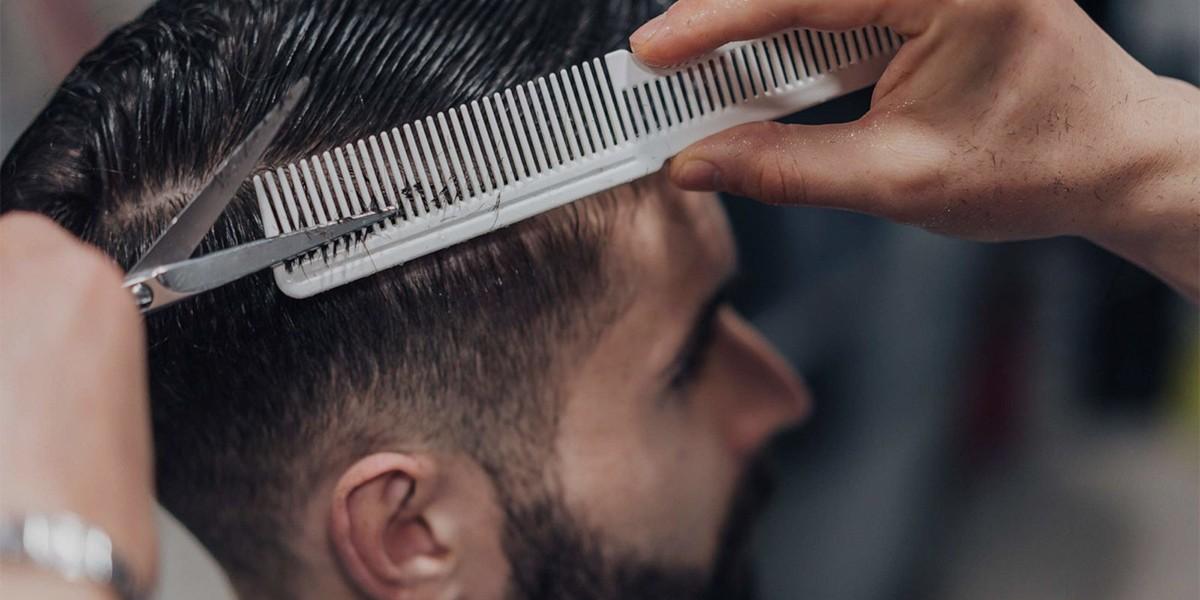
While trimming doesn’t directly make your hair grow faster, it prevents breakage and helps your hair maintain its volume. Split ends can travel up the strand, causing it to thin and appear lifeless. I get a trim every two to three months to remove damaged ends and encourage healthier growth.
Regular trims also give the hair a more uniform look. Over time, this consistent care results in stronger, thicker strands. I noticed that once I got rid of dry ends, my hair felt smoother and looked fuller.
Manage Stress to Support Hair Growth
Stress is one of the most overlooked causes of hair thinning. Prolonged stress increases cortisol levels, which can disrupt the hair growth cycle and cause shedding. I began to practice deep breathing and meditation daily, especially during hectic travel days. These practices not only improved my mental clarity but also reduced the amount of hair I found on my brush.
Exercise is another great way to relieve stress while improving circulation. Regular physical activity ensures that oxygen and nutrients are delivered more effectively to your scalp. Whether it’s a morning jog, yoga, or a simple stretching routine during RV stops, staying active supports both body and hair health.
Herbal Remedies for Thicker Hair
Nature offers several herbs that promote thicker hair. Aloe vera is among the most popular. Its enzymes help repair dead skin cells on the scalp, improving follicle health. I often apply fresh aloe gel directly to my scalp and leave it for 30 minutes before rinsing. It leaves my hair soft and nourished.
Another effective remedy is fenugreek. Soaking fenugreek seeds overnight and grinding them into a paste creates a protein-rich mask. Applying it once a week strengthens the roots and enhances growth. Hibiscus flowers can also be used to make a natural conditioner that prevents hair loss and adds shine. These herbal treatments may take time, but their long-term benefits are undeniable.
Minimize the Use of Styling Products
Many styling products, especially gels and waxes, contain alcohol and chemicals that dry out the hair. Frequent use can lead to buildup, which clogs follicles and hinders growth. I started limiting product use and switched to natural alternatives like aloe vera gel or light argan oil for styling. This change made my hair feel softer and more manageable.
If you must use styling products, make sure to wash them out thoroughly and use a clarifying shampoo once a week. Keeping your scalp clean ensures that hair can grow freely without obstruction.
Sleep and Proper Hair Protection
Hair growth is influenced by your sleep quality. During sleep, the body repairs and regenerates cells, including those in your scalp. I aim for at least seven hours of sleep each night to allow proper recovery. Using a silk or satin pillowcase also helps reduce friction, which can cause breakage.
If you have longer hair, tying it loosely before bed prevents tangles and minimizes stress on the roots. Small habits like these can make a noticeable difference over time in preserving hair density.
Stay Consistent and Patient
Natural hair growth takes time, and the results won’t appear overnight. Consistency is the key. Whether you’re following an oiling routine, improving your diet, or practicing scalp massages, doing it regularly yields the best results. I started noticing visible improvements after three months of steady care.
Tracking progress can help keep you motivated. I take photos every few weeks to see changes in thickness and texture. Small improvements accumulate into significant results over time, making patience one of the most important parts of this process.
Hydrate and Protect Against the Elements
Outdoor living, especially during RV trips or camping, can expose hair to sun, dust, and wind. Prolonged sun exposure can weaken strands and cause color fading. Wearing a hat or using a leave-in conditioner with UV protection helps prevent this. I also use a scarf or bandana when spending long hours outside to shield my hair from dryness.
Hydration plays an essential role too. Drinking enough water keeps your scalp hydrated from within, which helps prevent dandruff and brittleness. I carry a reusable water bottle during road trips to remind myself to stay hydrated throughout the day.
Homemade Hair Masks for Natural Thickness
Making your own hair masks can be a fun and effective way to nourish your hair. One of my go-to recipes combines egg yolk, olive oil, and honey. The proteins in eggs strengthen the hair, while olive oil provides deep moisture. I apply it once every two weeks and rinse with cool water to maintain shine.
Another mask I often use is made from banana and yogurt. Bananas are rich in potassium and vitamins that enhance elasticity, while yogurt soothes the scalp. These natural treatments are easy to make, cost-effective, and deliver real results when used consistently.
Avoid Tight Hairstyles
Tight hairstyles like ponytails, man buns, or braids can pull on the scalp and weaken follicles. Over time, this tension leads to traction alopecia, a common cause of hair thinning. I’ve learned to wear my hair loosely or switch styles often to avoid constant strain on the same areas.
Giving your hair time to rest and breathe improves overall growth and thickness. If you must tie it up, use soft bands that don’t tug or break the strands.
Final Thoughts
Growing thicker hair naturally is a gradual process that requires consistency, nourishment, and care. The foundation lies in a balanced diet, regular scalp maintenance, and minimizing damage from heat and chemicals. I’ve found that combining these steps with a calm, patient approach yields the best long-term results.
Healthy hair growth reflects a healthy lifestyle. Whether you’re on the road in your RV, exploring nature, or maintaining your daily routine at home, the effort you put into your hair care pays off over time. By focusing on natural methods, you not only improve the look and feel of your hair but also enhance your overall well-being.
