

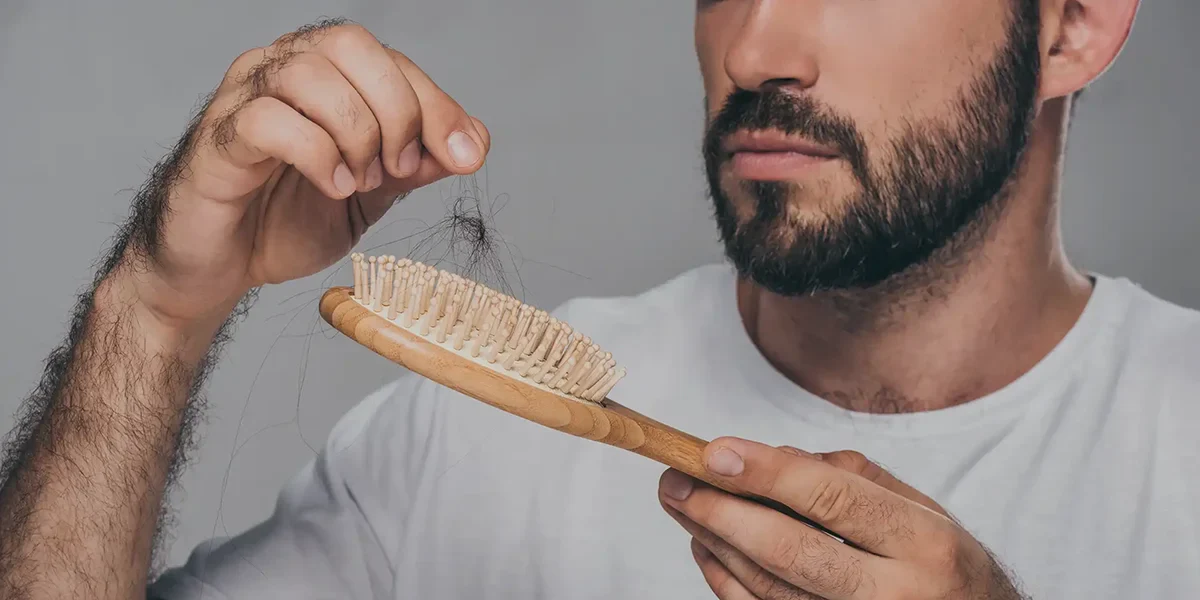
A damaged beard can be frustrating, especially when you’ve invested time, effort, and patience into growing it. Whether the issue is dryness, split ends, patchiness, or brittleness, the good news is that beards can bounce back with the right care. Restoring a beard isn’t about quick fixes but consistent grooming, proper nourishment, and small daily habits that make a big difference. Over time, you can bring your beard back to its full, healthy glory.
Identifying the Signs of Beard Damage
A beard doesn’t go from healthy to damaged overnight. The signs often build gradually, starting with rough texture, frizz, or dullness. Sometimes it begins with excessive shedding or itching that becomes persistent. If the ends of your beard hairs look thin or frayed, you’re likely dealing with split ends. Another indicator is uneven growth where parts of your beard look thinner or patchier than others.
Often, the root cause lies in dehydration, exposure to harsh weather, or neglecting grooming habits. Overwashing with strong shampoos can strip natural oils, while lack of conditioning leaves the hair fibers brittle. Once you notice these symptoms, it’s time to start corrective measures immediately before the damage worsens.
Trimming as the First Step
It may feel counterproductive to cut your beard when your goal is to restore it, but trimming is essential. Damaged ends can cause frizz and make your beard look unkempt no matter how much you care for it. By trimming away the split or rough tips, you’re giving your beard a fresh start.
I’ve found that using a good quality pair of beard scissors or a sharp trimmer with adjustable guards helps maintain control during trimming. The goal isn’t to drastically reduce length but to remove the visibly damaged portions. Regular trimming every few weeks ensures new growth remains healthy and prevents the spread of split ends.
Rehydrating the Beard
Dryness is often the main culprit behind beard damage. The beard area produces less sebum than your scalp, which means your facial hair dries out faster. Rehydrating your beard starts with using mild cleansers and proper moisturizing routines. A sulfate-free beard wash is ideal since it cleans without stripping natural oils.
Once your beard is clean, applying beard oil immediately while it’s slightly damp locks in moisture. Oils like argan, jojoba, or coconut oil penetrate deeply and restore softness. For intense recovery, using a beard balm after oiling helps seal in hydration for longer. Over time, you’ll notice your beard feeling softer and more manageable.
Using Deep Conditioning Treatments
Just like the hair on your head, your beard benefits from deep conditioning treatments. I often apply a conditioning mask once a week to rejuvenate dry strands. These treatments typically contain nourishing ingredients like shea butter, keratin, and vitamin E.
To get the most out of a beard conditioning session, apply the product evenly and cover your beard with a warm towel for ten to fifteen minutes. The heat opens up the hair cuticles, allowing deeper absorption of nutrients. When rinsing, use lukewarm water instead of hot to prevent dehydration.
Nourishing from the Inside Out
Restoring a beard doesn’t just depend on what you apply externally. Nutrition plays a huge role in hair health. A diet rich in vitamins and minerals such as biotin, zinc, vitamin E, and omega-3 fatty acids promotes stronger, healthier growth.
Foods like salmon, eggs, nuts, and leafy greens are particularly beneficial. Staying hydrated also keeps your beard softer and more elastic. If your diet lacks these nutrients, you might consider supplements, but only after consulting a healthcare professional. I’ve noticed that consistent healthy eating habits show visible improvements in beard texture within weeks.
Avoiding Overwashing and Harsh Products
Washing your beard daily might feel refreshing, especially if you’re outdoors or traveling in an RV, but overwashing strips away essential oils. This leaves your beard dry, coarse, and prone to breakage. Washing two to three times a week is sufficient for most people, depending on their environment and activity level.
Always choose gentle, pH-balanced beard cleansers instead of regular shampoos. Avoid products that contain alcohol, synthetic fragrances, or sulfates, as these ingredients can worsen dryness and irritation. Instead, go for natural formulations that use aloe vera or tea tree oil for cleansing.
Comb and Brush Wisely
Many don’t realize that the tools used for grooming can either help restore or further damage a beard. Rough plastic combs with sharp edges can snag and tear hair, causing breakage. I prefer wooden combs because they glide smoothly and help distribute oils evenly throughout the beard.
For brushing, a boar bristle brush works wonders. It helps train the hair to grow in one direction, reduces frizz, and spreads sebum from the roots to the tips. However, brushing too aggressively can weaken the strands, so I always recommend gentle strokes, especially after applying oil.
Protecting Your Beard from Heat and the Elements
If you spend time outdoors, especially in sunny or windy environments, your beard can easily get damaged by UV rays or dry air. Using a beard balm with natural waxes like beeswax creates a protective barrier against harsh conditions. In extremely hot weather, lightweight oils prevent dryness without making your beard greasy.
Avoid direct heat from blow dryers or styling tools whenever possible. If you must use a dryer, set it on the coolest setting and maintain a reasonable distance. Applying a heat protectant beforehand also minimizes damage. Over time, limiting heat exposure helps your beard retain its natural luster.
Addressing Patchiness and Uneven Growth
Damage can sometimes result in patchy areas that seem stubbornly resistant to growth. This can happen when follicles become clogged or stressed. Exfoliating the skin underneath your beard once a week can help. I like using gentle scrubs or brushes that remove dead skin cells and promote better circulation.
Massaging beard oil into your skin also stimulates hair follicles. Over time, consistent care encourages thicker and more even growth. In some cases, patience is key, damaged beards often require several growth cycles to fully recover.
Incorporating Natural Remedies
Natural ingredients can be surprisingly effective at reviving a beard. For instance, castor oil is known for promoting hair growth and thickness due to its high ricinoleic acid content. I often mix a few drops of castor oil with jojoba or almond oil and massage it into my beard before bed.
Another remedy I find effective is aloe vera gel. It soothes irritation, reduces dandruff, and hydrates both skin and hair. Applying aloe vera directly to the beard for about twenty minutes before rinsing can bring noticeable softness and shine.
Avoiding Common Mistakes That Cause Damage
Even with good intentions, certain habits can sabotage your beard’s recovery. Tugging at your beard or overstyling it with products that contain silicone can lead to more breakage. Similarly, neglecting to clean your grooming tools can introduce bacteria, causing itchiness or ingrown hairs.
It’s also easy to overlook the effects of stress and poor sleep on beard health. Chronic stress can disrupt hormone levels, slowing growth and making hair brittle. Prioritizing relaxation and adequate rest helps the body repair and regenerate hair follicles more efficiently.
Creating a Sustainable Beard Care Routine
Consistency is the key to restoring and maintaining a healthy beard. I recommend creating a simple daily and weekly routine that you can realistically stick to, especially while traveling or camping. In the morning, wash your beard lightly or rinse with water, apply beard oil, and gently comb it. At night, use a small amount of balm to lock in moisture before sleeping.
Weekly, dedicate a bit more time to deep conditioning, trimming, and exfoliating. The goal isn’t to complicate your grooming process but to make it sustainable wherever you are. Having a small beard care kit with travel-sized essentials makes this much easier on the road.
Embracing Patience and Realistic Expectations
A damaged beard won’t transform overnight. The process requires patience and consistency. Hair grows at an average rate of half an inch per month, so visible improvements take time. However, small changes, like reduced breakage and increased softness, will start appearing sooner if you stay committed to your routine.
Instead of focusing solely on growth, I focus on the overall health and feel of my beard. Once the foundation is strong, well-moisturized, nourished, and cared for, the rest follows naturally.
When to Seek Professional Help
If you’ve tried multiple remedies and your beard still looks or feels damaged, consulting a professional barber or dermatologist can be helpful. A barber can analyze your beard texture and suggest suitable trimming techniques or products. A dermatologist, on the other hand, can determine if underlying skin conditions like dermatitis or fungal infections are contributing to the problem.
Sometimes, restoring a beard goes beyond grooming and involves addressing health-related factors like hormonal imbalances or nutrient deficiencies. Getting professional insight ensures you’re treating the root cause, not just the symptoms.
Conclusion
Restoring a damaged beard is about giving it the attention, nourishment, and patience it deserves. Through consistent trimming, hydration, proper nutrition, and mindful care, you can reverse most types of damage. Every beard has the potential to recover its fullness and strength with the right approach.
For me, the journey toward a healthier beard has been both rewarding and educational. It’s not just about looks, it’s about cultivating discipline and self-care. Whether you’re living life on the road in an RV, out exploring nature, or simply at home, the right beard care routine ensures your beard always looks its best, no matter the conditions.
